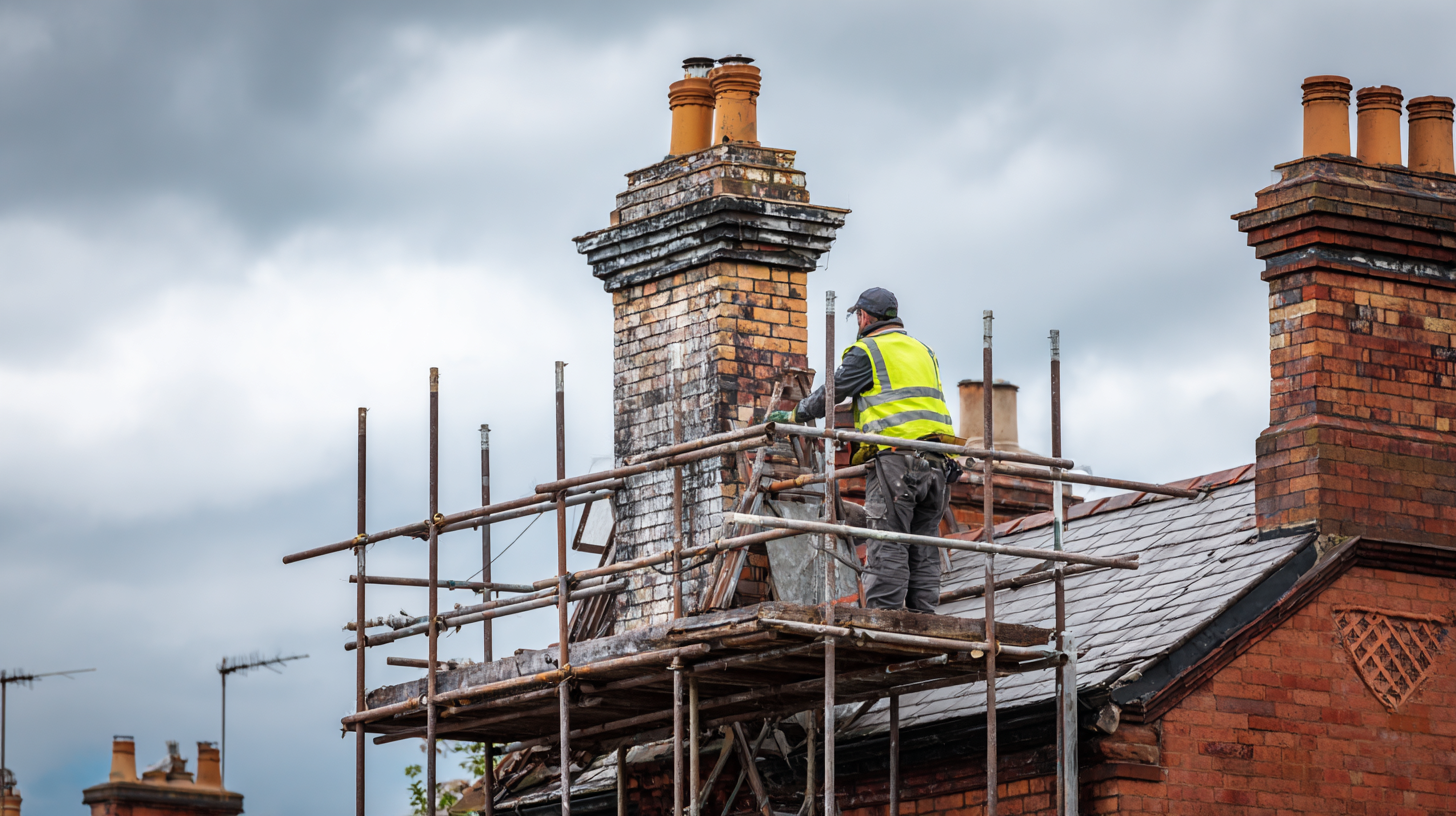
For many older properties, a chimney was once an essential feature, providing ventilation for open fires, stoves, and heating systems. However, in modern homes, central heating and electric fireplaces have replaced traditional fires, leaving chimneys often unused and neglected. In Belfast, where many houses still have ageing chimney stacks, this raises an important question: should you keep it or remove it?
In this guide, we’ll explore the benefits of removing an unused chimney, why it could be the right choice for your property, and how the process works. From safety improvements to reducing maintenance costs, understanding the benefits of removing an unused chimney can help you make an informed decision.
Why Many Chimneys Are No Longer Needed
The Shift to Modern Heating Systems
With gas, oil, and electric heating now standard in most homes, the open fires that chimneys once served have primarily been replaced. This means many chimney stacks are now purely decorative, serving no functional purpose while still requiring upkeep.
The Downsides of Keeping an Unused Chimney
Even if it’s no longer in use, a chimney still needs regular inspection and maintenance. Left unchecked, mortar joints, flashing, and brickwork can deteriorate, resulting in leaks, dampness, and structural instability. These problems can become costly, especially when the chimney is never actually used.
Safety Advantages of Removing an Unused Chimney
Reducing Structural Risks
An unused chimney is still exposed to the full force of Belfast’s weather, including strong winds, rain, and freeze-thaw cycles. Over time, this can loosen bricks, weaken mortar joints, and compromise the stability of the stack. Removing it eliminates the risk of falling masonry and potential injury.
Preventing Internal Damage
If the chimney structure deteriorates, water can penetrate through cracks in the brickwork or faulty flashing. This moisture often seeps into loft spaces, ceilings, or internal walls, causing rot, damp patches, and mould growth. By removing the chimney, you remove the entry point for these problems.
Energy Efficiency Benefits
Stopping Unwanted Draughts
Even when sealed, an unused chimney can allow heat to escape through residual gaps or poorly fitted covers. This means higher heating bills as warm air is lost. Removing the chimney entirely helps keep the building envelope sealed and efficient.
Improving Insulation Performance
Once a chimney is removed, the space it occupied can be filled and insulated. This reduces heat loss and helps maintain a more stable indoor temperature, especially important in Belfast’s cold, damp winters.
Space and Design Improvements
Creating More Usable Interior Space
Inside the home, a chimney breast can take up valuable floor and wall space. Removing it opens up new design possibilities-whether that’s a larger kitchen layout, more living room space, or room for built-in storage.
Enhancing Roof Design Options
Externally, removing an unused chimney can improve the appearance of the roofline. It may also make future roof work, such as tile replacements or loft conversions, easier and more cost-effective.
Reducing Maintenance Costs
Eliminating Ongoing Repairs
One of the benefits of removing an unused chimney is the end of ongoing maintenance, no more repointing, flashing repairs, or dealing with loose bricks. The initial cost of removal is often offset by the money saved on future upkeep.
Avoiding Emergency Call-Outs
Chimneys are particularly vulnerable in storms. Loose pots or dislodged bricks can create urgent, potentially dangerous situations that require costly emergency repairs. Removal eliminates that risk.
Preventing Water Ingress and Damp
How Chimneys Let in Water
Even with modern flashing, chimneys can still be a weak point in the roof’s waterproofing. Wind-driven rain can penetrate hairline cracks in mortar or flashing joints, especially during heavy downpours in Belfast.
Long-Term Protection
By removing an unused chimney, you simplify the roof’s structure, leaving fewer points for water to get in. This protects not only the roof but also the interior of your home from damp-related problems.
Environmental and Sustainability Benefits
Reducing Material Waste
Maintaining a chimney often involves using replacement materials—such as bricks, mortar, and lead flashing—that require manufacturing and transportation. Removing an unused chimney reduces the need for these materials over time.
Improving Heating Efficiency
Better insulation and reduced draughts mean less energy is needed to heat your home, lowering your carbon footprint while saving you money.
The Chimney Removal Process
Step 1 – Inspection and Planning
The first stage involves a thorough inspection of the chimney’s condition, encompassing both areas above and below the roofline. This determines whether a full or partial removal is best for your property.
Step 2 – Safe Dismantling
Our team works from the top down, carefully removing bricks, pots, and mortar while ensuring the surrounding roof remains undamaged.
Step 3 – Roof Repair and Sealing
Once the chimney is removed, the roof is closed, tiled, and sealed to match the existing finish. Any internal openings are also blocked and insulated.
Step 4 – Clean-Up and Waste Removal
All debris is cleared from the site, and materials are disposed of responsibly or recycled where possible.
Full vs Partial Chimney Removal
Full Removal
This involves taking down the entire chimney stack, including the breast inside the property. It maximises space and eliminates all maintenance needs, but requires more internal work.
Partial Removal
In some cases, only the external stack above the roofline is removed. This reduces external maintenance while leaving the chimney breast intact inside the home.
Cost Considerations
Factors That Affect Price
- Chimney size and condition
- Roof height and access requirements
- Whether full or partial removal is chosen
- Any additional roof repairs needed
Long-Term Savings
While removal is an investment, it eliminates ongoing costs such as repointing, flashing repair, and storm damage fixes, often making it more cost-effective over time.
When Not to Remove a Chimney
Listed or Protected Buildings
If your home is listed or located in a conservation area, you may be required to obtain special permission before removing the chimney.
Functional Chimneys
If your chimney still serves a stove, fireplace, or boiler, removal may not be practical unless alternative ventilation is installed.
Why Choose Home Improvements Belfast
We have extensive experience in carrying out safe and efficient chimney removals across Belfast. Our team ensures all work is compliant with building regulations, weatherproof, and finished to a high standard. We handle the project from start to finish, including all roof repairs and waste removal.
Make Chimney Removal a Smart Investment for Your Home
Now that you understand the benefits of removing an unused chimney, it can improve safety, boost energy efficiency, reduce maintenance, and even increase the usable space in your home. For Belfast homeowners with ageing or redundant chimney stacks, removal can be a wise, long-term investment that protects your property for years to come.