Mortar joints play a critical role in the strength, appearance, and weather resistance of brickwork. Whether on a chimney, wall, or entire property façade, these joints keep bricks securely bonded and prevent water from entering the structure. Yet few homeowners fully understand how weather impacts mortar joints over time-or the long-term cost of neglecting routine maintenance.
In this post, we examine how weather affects mortar joints over time, identify the types of weather that cause the most damage, and discuss how repointing can restore both the strength and appearance of these joints. If you own a property in Belfast or the surrounding area, this guide explains what to look out for and how to protect your home from avoidable damage.
Understanding Mortar Joints and Their Purpose
What Are Mortar Joints?
Mortar joints are the spaces between bricks that are filled with mortar, a mix of sand, water, and cement or lime. Their primary function is to bond bricks together, creating a solid and stable structure. Mortar also seals gaps, preventing wind, water, and pests from penetrating the wall.
In traditional buildings, lime mortar was commonly used, offering flexibility and breathability. Modern homes often use cement-based mortar, which is more rigid but highly durable when applied correctly.
Why Mortar Condition Matters
When mortar joints begin to fail, the structural integrity of the wall is compromised. Gaps allow water to enter, freeze, and expand, leading to further cracking and decay. Over time, loose bricks, internal damp, and heat loss can all result from deteriorated mortar.
Repointing is the process of removing old mortar and replacing it with fresh material, which is crucial for preventing long-term damage and maintaining the structural integrity and aesthetic appeal of a building.
The Role of Weather in Mortar Decay
How Weather Impacts Mortar Joints Over Time
Weather is the most significant external factor affecting the longevity of mortar. In particular, temperature changes, rainfall, wind exposure, and frost all contribute to gradual erosion and weakening of mortar joints. In places like Belfast, where wet and windy conditions are common, this process can occur more quickly than in more temperate climates.
Understanding how weather impacts mortar joints over time helps you plan maintenance before problems escalate into expensive repairs.
Freeze-Thaw Cycles
When moisture seeps into mortar joints and temperatures drop, the water freezes and expands, causing damage to the mortar. This causes micro-cracks to form, pushing the mortar apart. Once the temperature rises, the ice melts-but the cracks remain. Repeated freeze-thaw cycles lead to crumbling, widening gaps, and loose bricks.
In Belfast, these cycles are frequent in winter and early spring, making older or untreated mortar particularly vulnerable.
Types of Weather That Cause Damage
Rain and Water Penetration
Rain is the most direct threat to mortar. Prolonged exposure saturates porous mortar, leading to slow degradation. On south-west facing walls, common in Belfast’s older terrace housing, rain can drive directly into the brickwork, increasing saturation and accelerating mortar decay.
When mortar is constantly wet, it breaks down at a chemical level, especially in lime-based mortars. Over time, this creates soft joints that can be brushed out by hand, leaving your home exposed to severe water ingress.
Wind Exposure
Strong winds not only batter the outer surface of walls, but they also drive rain deeper into weakened joints. Wind-driven rain is far more aggressive than standard rainfall and can penetrate even small cracks, washing out loose mortar and causing internal damp.
Homes located on exposed hillsides or coastal areas around Belfast are particularly susceptible to wind-related wear. Frequent storms and sudden gusts can cause rapid deterioration if joints are already compromised.
UV Radiation and Heat Fluctuations
Although less of an issue in Northern Ireland than in sunnier climates, UV rays and sudden temperature changes still play a role. UV exposure dries out mortar, making it brittle. In warmer months, thermal expansion and contraction put stress on the joints, particularly where dark bricks retain heat and light mortar reflects it.
This constant movement weakens the bond between bricks and mortar, especially on south-facing walls.
How Different Mortar Types React to Weather
Lime Mortar
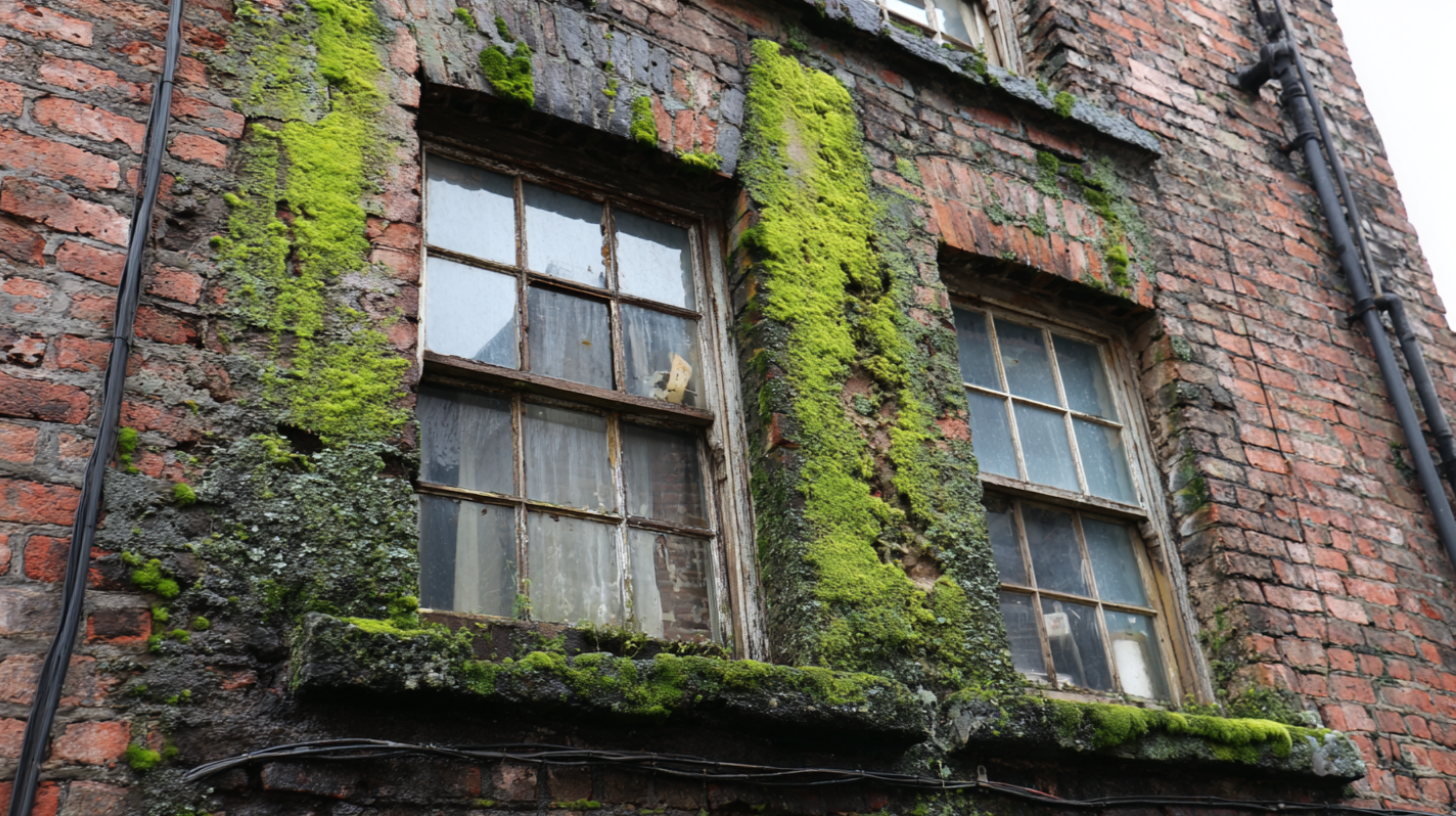
Lime mortar is breathable and flexible, making it ideal for older buildings. However, it is more susceptible to moisture ingress and decay if not maintained. In wet climates, lime mortar must be repointed more often and kept free from moss or algae, which retain moisture.
Lime joints in Belfast homes often require specialist care and should never be patched with cement mortar, as this can trap moisture and cause further damage.
Cement Mortar
Cement mortar is more resistant to rain and wind, but it is more prone to cracking during freeze-thaw cycles. Once it cracks, water enters and can quickly widen the damage. Cement joints also lack the breathability of lime, so trapped moisture often escapes through the bricks themselves, leading to spalling and discolouration.
In Belfast, where freezing nights follow wet days, even strong cement mortar can fail quickly without proper maintenance.
Signs That Weather Has Damaged Your Mortar Joints
Crumbling or Receding Mortar
If you can scrape away mortar with your fingernail, it’s a clear sign of decay. Receding joints leave bricks unsupported, creating easy paths for water.
Gaps or Cracks in the Joints
Visible cracks or missing sections of mortar indicate failure. These allow wind and rain to enter, thereby worsening the damage.
Loose or Shifting Bricks
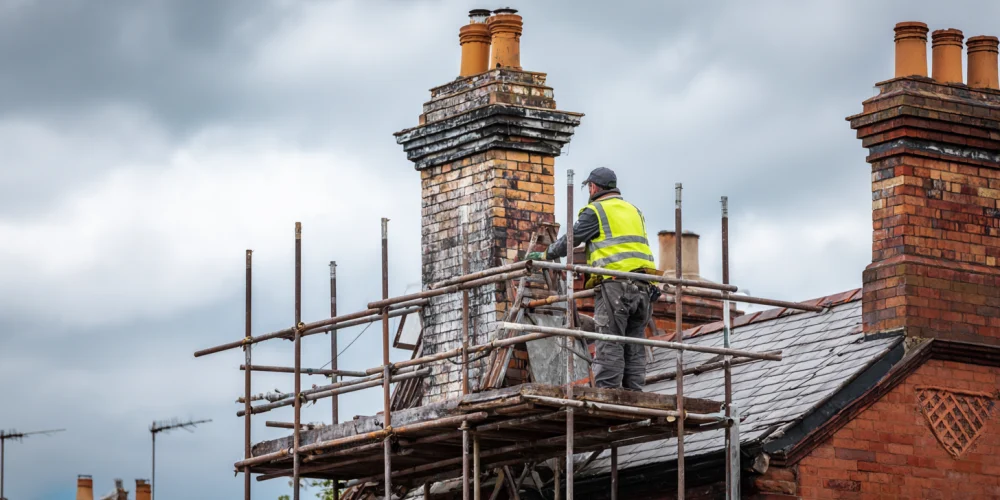
As mortar weakens, bricks can start to move, particularly in chimneys or garden walls. This is both a structural risk and a safety concern.
Internal Damp or Mould
Moisture from failed mortar often seeps through walls, leading to damp patches, mould growth, and discoloured plaster indoors.
The Cost of Ignoring Weather Damage
Rising Repair Costs
What starts as a minor repointing job can quickly grow into a much larger project involving brick replacement, internal plastering, or structural reinforcement. Early intervention is always cheaper.
Damage to Interior and Exterior Walls
A failed mortar allows water to enter insulation, framing, and finishes. Over time, this leads to rot, damp, and more extensive renovation costs.
Reduced Property Value
Neglected mortar joints are easily spotted during surveys. Cracked brickwork and eroded joints reduce kerb appeal and make potential buyers nervous about structural stability.
How Repointing Solves the Problem
What Is Repointing?
Repointing involves removing decayed mortar from the joints to a certain depth, usually around 15 to 20 mm, and replacing it with new mortar that matches the original in composition and appearance.
It restores structural strength, improves weather resistance, and refreshes the overall look of the wall.
When to Repoint
If mortar is crumbling, cracked, or visibly eroded, repointing is usually needed. In Belfast, most properties require repointing every 25-30 years, or more frequently on exposed walls.
Don’t wait until water enters the building. Repointing early saves time, money, and more complex structural work in the future.
The Repointing Process
- Inspection: We assess the depth and extent of mortar decay.
- Raking Out: Old mortar is carefully removed by hand or with specialist tools.
- Cleaning: Joints are cleaned to ensure a proper bond with the new mortar.
- Application: Fresh mortar is applied and tooled to match the original profile.
- Finishing: The wall is cleaned, and all waste is removed.
The result is a cleaner, stronger, and more weather-resistant wall that protects your home for years to come.
Protecting Your Property in Belfast’s Climate
Regular Inspections
Check your walls and chimney stacks twice a year-especially after winter or storms. Look for signs of movement, cracks, or crumbling joints.
Use the Right Materials
Never patch lime mortar with cement. Always use breathable materials suitable for the building’s age and style.
Act Early
The cost of small-scale repointing is far lower than dealing with interior damp, damaged insulation, or failing structural supports. Trust your instincts-if something looks wrong, have it checked.
Why Choose Home Improvements Belfast
At Home Improvements Belfast, we specialise in brick repointing, chimney repairs, and exterior maintenance. We understand how weather impacts mortar joints over time and what Belfast homes need to withstand the local climate.
Our team utilises proven techniques, high-quality materials, and traditional skills to restore your walls to their optimal condition. Whether you’re maintaining an older property or protecting a newer build, we deliver honest advice and dependable results.
Act Early to Protect Your Brickwork from Belfast’s Weather
Now that you understand how weather impacts mortar joints over time, it’s clear that regular inspection and timely repointing are essential. Belfast’s weather is harsh, and the effects on your brickwork can build up faster than you think. By addressing mortar issues early, you avoid higher costs, maintain structural integrity, and protect your home from the inside out.